

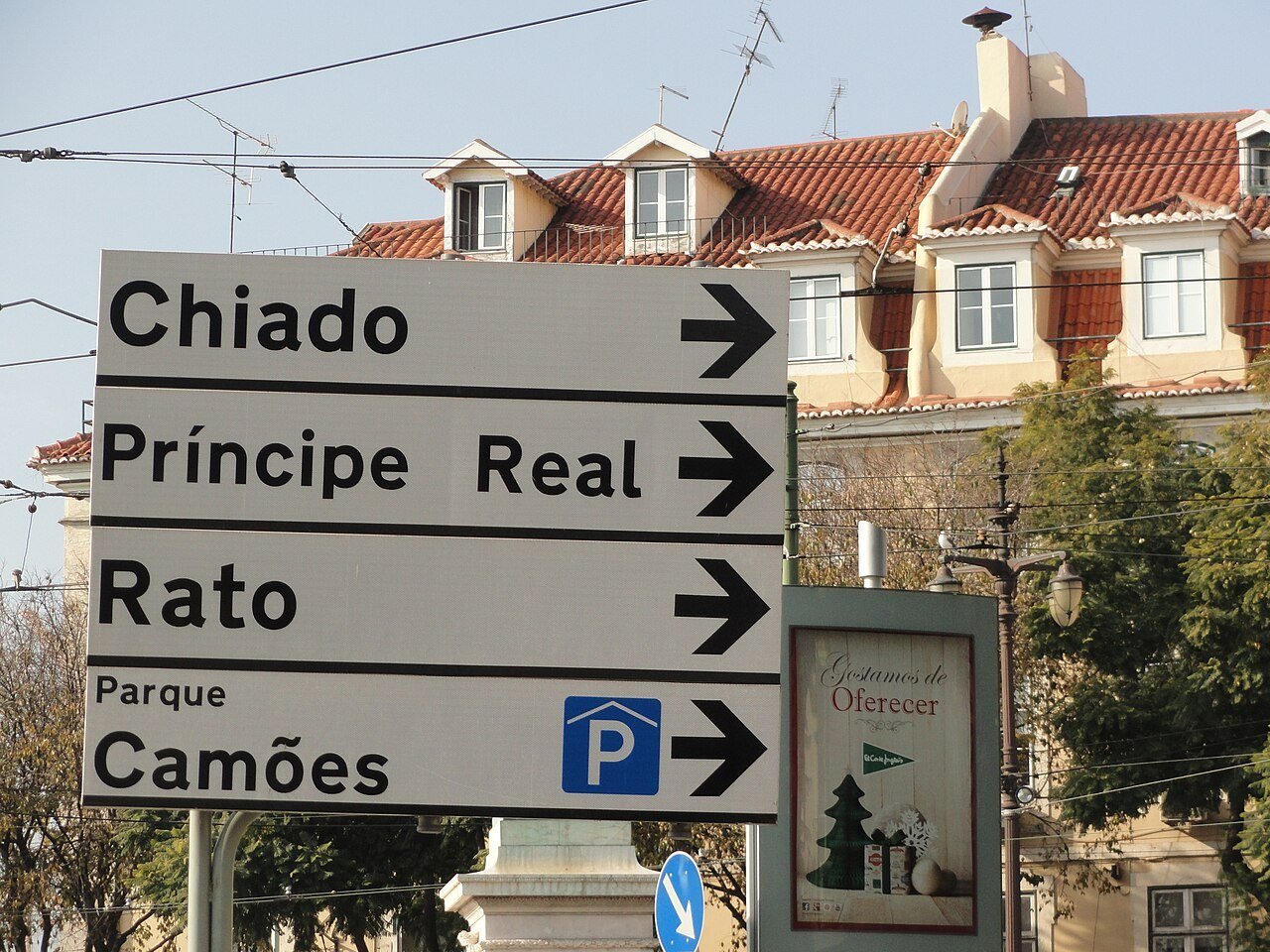
Portuguese is the language of the tiled street sign in Lisbon, the chalkboard menu in a Porto tasca, and the beachfront sign in Rio that tells you where you can and cannot swim. More than 260 million people speak Portuguese across Portugal, Brazil, Angola, Mozambique and Cape Verde, which makes it the most widely spoken language in the Southern Hemisphere — and one of the most photographed by travellers. The good news is that Portuguese uses the Latin alphabet, so an AI image translator can usually read it well. The traps are the accents, the words that look like English but are not, and the differences between the Portuguese of Lisbon and the Portuguese of São Paulo.
How to Translate Portuguese Text in an Image to English
You do not need to type anything out or know a word of Portuguese. The whole job takes four steps.
1. Take a clear photo. Hold the phone steady, fill the frame with the text, and avoid glare and shadows. Portuguese accents are small marks above letters, and a blurry photo is the fastest way to lose them.
2. Upload the image to an image translator. Open the Image Translator tool, upload your photo, and set the source language to Portuguese and the target language to English.
3. Check the detected text. Before you trust the translation, glance at the Portuguese the tool detected. If an accent came out wrong — “mae” instead of “mãe”, or “voce” instead of “você” — the English may be wrong too. Retake the photo or crop tighter and try again.
4. Read the English and sanity-check it. Most translations of everyday Portuguese are accurate. But if the result sounds odd, or the text is a warning, a medicine label or a legal document, verify it a second way before acting on it.
Why Portuguese Photos Trip Translators Up
Portuguese looks easy to translate because it shares an alphabet with English and a large vocabulary with Spanish, but it has a few habits that cause mistakes.
Accents change meaning and sound. Portuguese uses five accent marks, and they matter. The tilde in “mão” (hand) and “não” (no/not) marks a nasal sound that English does not have — “mao” without the tilde is not a word at all. The cedilla in “façanha” and “açaí” turns a “c” into an “s” sound. “Avó” is grandmother, “avô” is grandfather, and “avo” with no accent is a different word again. A photo that blurs an accent can flip a meaning or produce nonsense, so sharp focus matters more with Portuguese than with unaccented languages.
Brazilian and European Portuguese are not identical. The same object can have a different name on either side of the Atlantic. In Brazil a train is a “trem”; in Portugal it is a “comboio”. A mobile phone is a “celular” in Brazil and a “telemóvel” in Portugal. Breakfast is “café da manhã” in Brazil and “pequeno-almoço” in Portugal. Most image translators handle both, but if a translation looks wrong, check whether the word is a regional variant — it may be correct in one country and unknown in the other.
Words run together on signs. Portuguese signs love abbreviations and joined words. “Proibido estacionar” means no parking. “Saída de emergência” is the emergency exit. “Não pise na grama” means do not step on the grass. A translator usually handles these well, but a long phrase split across two lines on a sign can be read as two separate fragments and mistranslated.
Formal words are not what they seem. Portuguese has a set of false friends — words that look like English but mean something else entirely. These are the words that catch English speakers out, because they look familiar but mean something specific:
| Portuguese word | Looks like | Actually means |
|---|---|---|
| Pasta | Pasta | Folder, briefcase (food pasta is “massa”) |
| Balão | Balloon | Balloon — but also a traffic roundabout |
| Excitado | Excited | Aroused, sexually excited (use “animado” for excited) |
| Pretender | Pretend | To intend, to plan |
| Realizar | Realise | To carry out, to achieve |
| Sensível | Sensible | Sensitive |
| Constipado | Constipated | Having a cold |
If your translation says something strange, check for a false friend first — it is the most common cause of a weird result. “Pasta” on a shop sign is the one to take seriously: it usually means a stationery folder, not a plate of pasta.
Translating a Portuguese Menu
Restaurant menus are the single most common Portuguese text travellers photograph, and they are also the hardest, because menus use short phrases, abbreviations and dish names that rarely appear in textbooks. A photo translator handles the grammar; this decoder handles the food.
Starters and courses. “Entradas” are starters. “Pratos principais” are main courses. “Prato do dia” is the dish of the day, usually the best value. “Menu” or “ementa” (Portugal) means a set menu — often a starter plus a main, or a main plus dessert, for one price. “Sobremesas” are desserts, and “bebidas” is the drinks list.
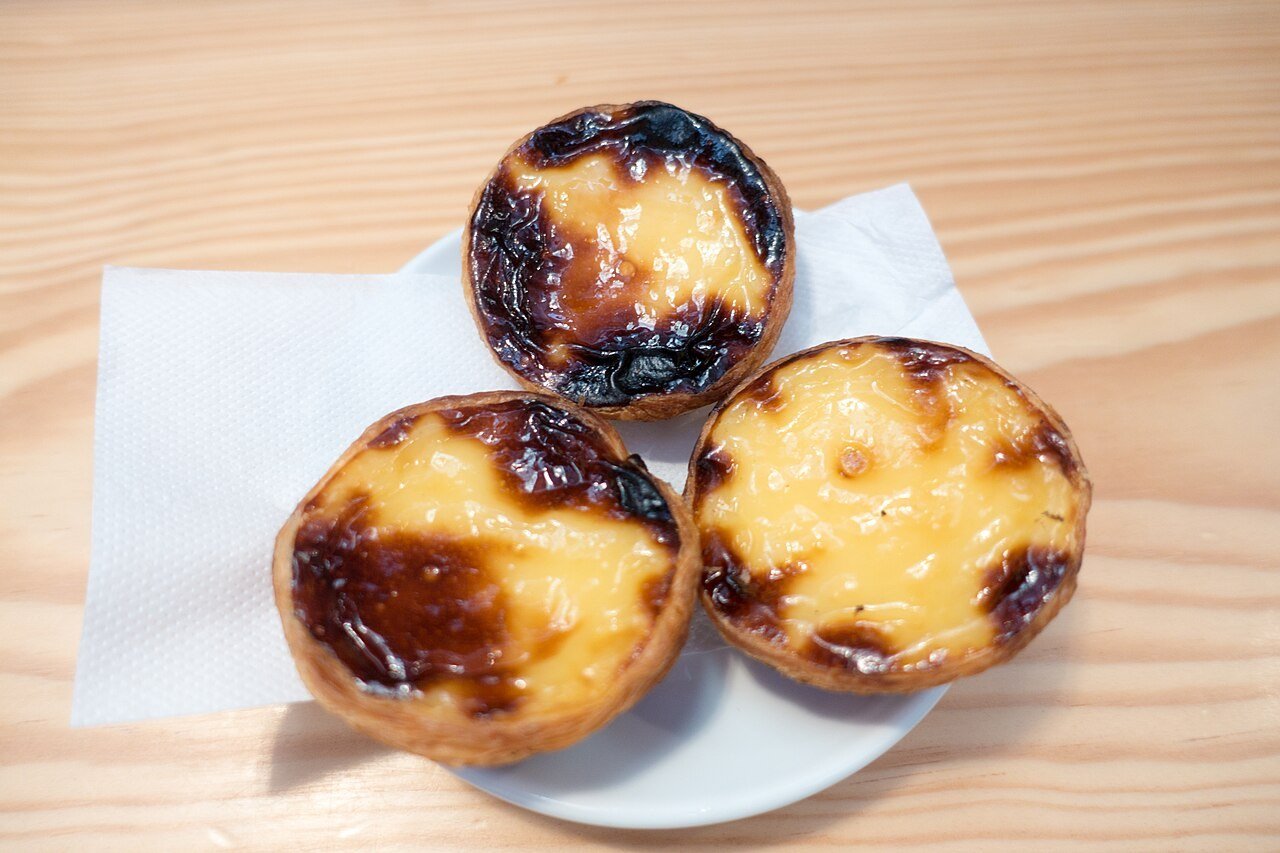
Dishes worth knowing. “Bacalhau” is salted cod, Portugal’s national dish, cooked in hundreds of ways — “bacalhau à brás” is shredded cod with egg and potato. “Francesinha” is Porto’s famous sandwich of meat, cheese and beer sauce. “Feijoada” is Brazil’s black bean and meat stew. “Pão de queijo” is a Brazilian cheese bread, and “pastel de nata” is the custard tart you will see in every Lisbon bakery window.
Cooking words worth knowing. “Grelhado” means grilled, “frito” means fried, “assado” means roasted, and “cozido” means boiled. “Caseiro” means homemade. “Picanha” is a cut of beef, “frango” is chicken, “camarão” is prawn, and “arroz” is rice.
Words that are not what they seem. “Bife” is a steak, not beef in general. “Sumo” in Portugal is juice (in Brazil it is “suco”). “Água com gás” is sparkling water and “água sem gás” is still water. “Café” is coffee, and “café com leite” is coffee with milk. And if you see “ementa”, that is the menu itself — the Portuguese word for a menu in Portugal, while Brazil uses “cardápio”.
A quick example. Photograph a chalkboard that reads “Prato do dia — Bacalhau à brás com salada 12,50 € — Pastel de nata 2,00 €”. The translation should come out as “Dish of the day — Bacalhau à brás with salad €12.50 — Custard tart €2.00”. If a dish name comes back untranslated, that is normal: dish names are often left in Portuguese, and a quick search of the single word will usually explain it.
Street Signs, Labels and Everyday Portuguese
Beyond menus, Portuguese appears on signs, packaging and notices that matter when you are out and about.
On the road. “Sentido único” means one-way street. “Saída” means exit, and “entrada” means entrance. “Obras” means roadworks. “Desvio” means diversion. “Proibido estacionar” means no parking — the one sign most worth translating before you leave the car. “Atenção” means caution, and “pare” means stop.
In shops and on labels. “Aberto” means open and “fechado” means closed. “Caixa” is the checkout. “Esgotado” means sold out. On food packaging, “validade” is the expiry date, “ingredientes” is the ingredients list, and “pode conter vestígios de” means “may contain traces of” — important if you have an allergy.
Notices and warnings. “Proibido entrar” means no entry. “Não tocar” means do not touch. “Perigo” means danger. “Saída de emergência” is the emergency exit, and “proibido fumar” means no smoking. On Brazilian beaches, “cuidado com a correnteza” warns of a strong current.
Tips for Better Results With Portuguese Photos
A few small habits make a large difference to accuracy.
Photograph one block of text at a time. A whole menu board in one photo gives the translator small, crowded letters. Photographing each section separately gives it large, clear text and far fewer errors.
Watch the handwriting. Handwritten Portuguese is harder than printed Portuguese, especially cursive styles where letters look very different from print. Modern handwriting on a form or a label usually works. Chalkboard menus are the worst case: photograph them straight on, in good light, and expect to re-check a word or two.
When to Double-Check the Translation
An AI image translator is right almost all the time for everyday Portuguese. But some texts deserve a second look: medicine labels and dosage instructions, allergy warnings, rental contracts and legal notices, and any sign that tells you not to do something. A wrong translation of a menu costs you a surprise dish; a wrong translation of a warning sign or a medicine label can cost much more. When the stakes are high, confirm the result with a second tool or a Portuguese speaker before acting on it.
Frequently Asked Questions
Can I translate Portuguese text in a photo without typing it?
Yes. Upload the photo to an AI image translator, set Portuguese as the source language and English as the target, and the tool reads the text from the image and translates it. You never need to type the Portuguese yourself.
Does an image translator handle Portuguese accents?
Yes, as long as the photo is sharp. Accents like ã, õ, ç and é are recognised from a clear image, and they matter — “avó” and “avô” are different people. A blurry photo is the main reason accents get misread.
Can it translate handwritten Portuguese?
It can, but less reliably than printed text. Neat modern handwriting on a form or a label usually works. Old-style cursive, especially on a chalkboard menu, is harder — photograph it straight on in good light, and check any word that looks wrong.
What is the best way to translate a Portuguese menu?
Photograph one section at a time, translate it with an image translator, and use the dish decoder above for words that come back untranslated. “Prato do dia”, “ementa” and “caseiro” are the three phrases most worth knowing before you order.
Why does my translation say something strange?
Usually a false friend or a missed accent. “Pasta” means a folder, not pasta, and “excitado” does not mean excited. Check the detected Portuguese text first — if a word was misread, fix the photo and try again.
Is Brazilian Portuguese different from European Portuguese?
Yes, in vocabulary, spelling and pronunciation, though the two are mutually understandable. A train is a “trem” in Brazil and a “comboio” in Portugal, and juice is “suco” in Brazil but “sumo” in Portugal. Most translators handle both, but regional words are the first thing to check when a translation looks wrong.
Read next
- How to Translate French Text in Images to English
- How to Translate German Text in Images to English
- How to Translate Spanish Text in Images to English
- How to Translate Korean Text in Images to English
- How to Translate a Foreign Restaurant Menu With Your Phone Camera
- How to Translate Street Signs and Airport Boards While Traveling
- How to Translate Text in a Screenshot to English
- How to Translate a Scanned Document to English
- How to Translate a Photo From Any Language to English in Seconds
