

Introduction
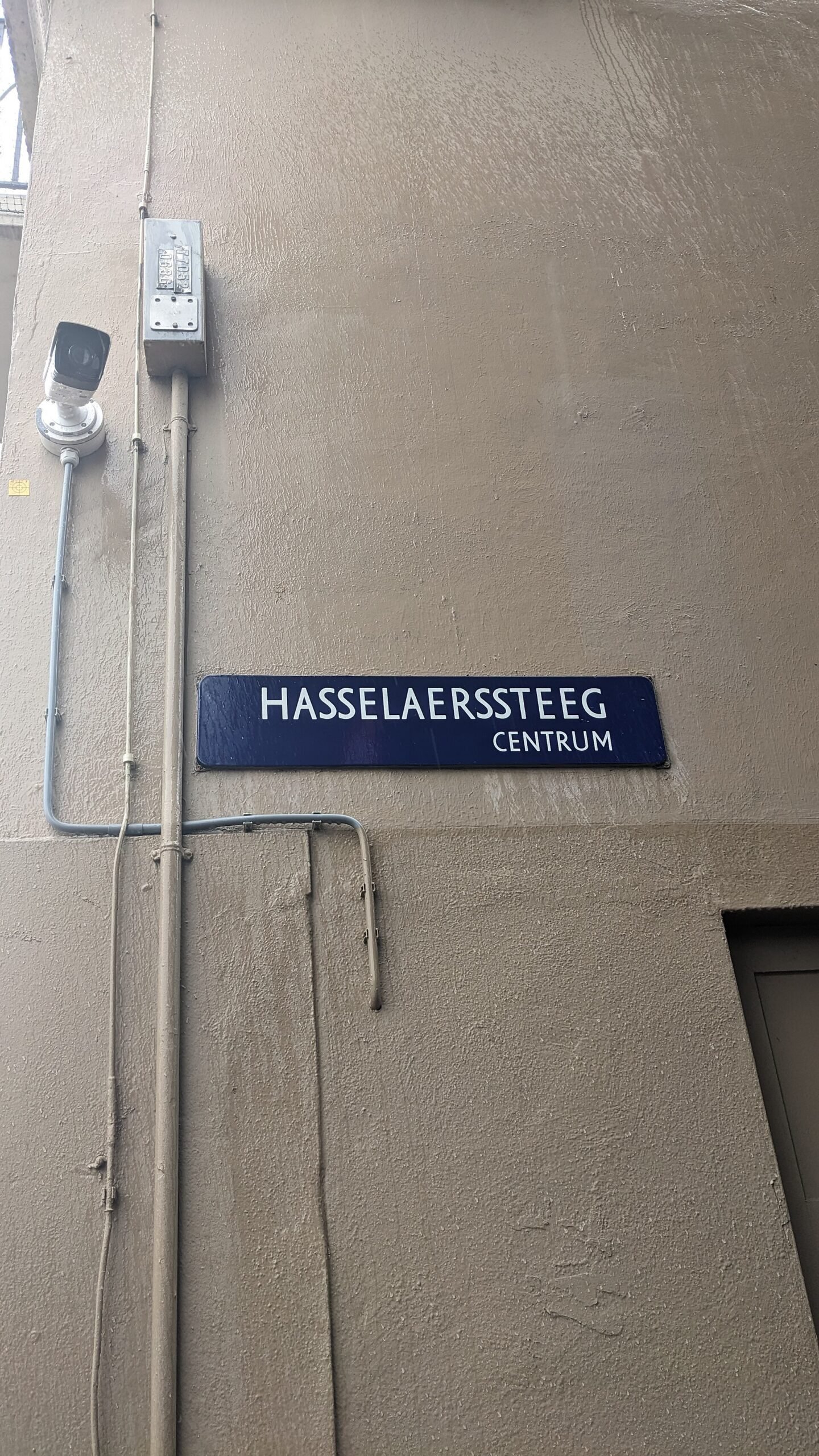
Dutch is everywhere a traveller looks in the Netherlands: the menu board at a brown café in Amsterdam, the sign above a bike lane, the label on a packet of stroopwafels, the notice on a museum door. If you do not read Dutch, a photo is often faster than a dictionary — take a picture, translate the text in the image to English, and you have your answer in seconds.
This guide shows you how, step by step, for the Dutch text you actually meet: menus, street signs, product labels and documents. No app install and no Dutch needed.
How to Translate Dutch Text in Images to English
The fastest way is an AI image translator. It reads the Dutch words in your photo, works out what they mean in context, and writes the translation back over the image, keeping the layout.
- Take a clear photo. Hold your phone steady, fill the frame with the text, and avoid glare and shadows. Dutch signs are often painted on tiles or glossy paper, so step back a little if the light is reflecting.
- Upload the image. Open ImageTranslator, upload the photo, and choose Dutch as the source language and English as the target.
- Check the result. Read the English translation, and tap any line that looks wrong to see the original Dutch words. Short phrases translate best; long paragraphs need a second look.
- Save or share it. Download the translated image or copy the text — handy for a menu you want to order from later.
The whole process takes under a minute, and it works on old photos just as well as on live camera shots.
Translating Dutch Menus
Dutch menus are the most common reason people reach for an image translator — and the trickiest. A menu is full of short phrases, compound words and cooking terms that a word-for-word dictionary gets wrong.
Some examples you will see often:
| Dutch on the menu | What it means in English |
|---|---|
| Voorgerechten | Starters |
| Hoofdgerechten | Main courses |
| Nagerechten / Desserts | Desserts |
| Broodjes | Sandwiches / filled rolls |
| Patat / Friet | Chips / French fries |
| Bitterballen | Deep-fried meatballs (bar snack) |
| Stamppot | Mashed potato with vegetables |
| Koffie / Thee | Coffee / Tea |
Watch out for dishes named after places — Amsterdamse uiensoep, Goudse kaas, Hollandse nieuwe (the first herring of the season) — where the name is not meant to be translated word for word. A translator reading the whole line in context handles these far better than translating one word at a time.
Translating Dutch Street Signs and Notices
Dutch street signs are short, formal and full of abbreviations, which makes them easy to misread. These are the ones travellers meet most:
- Uitgang — Exit
- Ingang — Entrance
- Verboden toegang — No entry
- Eenrichtingsverkeer — One-way traffic
- Parkeren verboden — No parking
- Betaald parkeren — Paid parking
- Gesloten / Geopend — Closed / Open
Two things catch people out. First, Dutch glues words together — eenrichtingsverkeer is een richting (one direction) + verkeer (traffic). A translator reading the whole word gets it; a dictionary lookup of the parts does not. Second, cycle signs matter more here than almost anywhere else: fietspad means cycle path, and fietsers oversteken warns that cyclists cross here, so look before you step off the pavement.
If a sign is high up or far away, zoom in before taking the photo. A blurry parkeren verboden is useless; a sharp close-up translates cleanly.
Dutch False Friends to Watch For
Dutch and English share Germanic roots, which is helpful — until it is not. These false friends look familiar but mean something different:
| Dutch word | It looks like | It actually means |
|---|---|---|
| Eventueel | Eventually | Possibly / if necessary |
| Winkel | Winkle | Shop |
| Brave | Brave | Well-behaved / good |
| Actueel | Actual | Current / up to date |
| Fabriek | Fabric | Factory |
| Slim | Slim | Clever / smart |
The classic trap is eventueel — eventueel gesloten means “possibly closed”, not “eventually closed”.
Long Words, IJ and the Guttural G
Dutch spelling is mostly regular, which helps image translators a lot, but three features still cause mistakes.
Long compound words. Dutch builds very long words by joining shorter ones — ziekenhuis (hospital, literally “sick house”), treinstation (train station), voetgangersoversteekplaats (pedestrian crossing). Photograph the whole word; if it is cut off at the edge of the frame, the translator has to guess the ending.
IJ. The combination ij appears everywhere — bij (at/by), tijd (time), vrij (free), ijs (ice). In older signs it is sometimes written as ÿ or looks like a y, so vrijdag (Friday) can be misread if the photo is blurry.
Handwriting. Handwritten Dutch, especially older cursive, is harder for any translator. Photograph notes in bright, even light, keep the page flat, and crop tightly to the text. If the handwriting is very loose, translate one paragraph at a time.
Tips for the Most Accurate Translation
- Light matters most. Daylight or a bright room beats a flash, which washes out printed text.
- Translate short chunks. Menus, signs and labels translate best. A full page of small print is fine, but check it line by line.
- Mind the compound words. If a long Dutch word translates strangely, split it in your head — fiets (bike) + pad (path) = cycle path.
- Keep the original. Keep the Dutch photo alongside the translation — useful if you need to show a waiter exactly what you mean.
Frequently Asked Questions
Can I translate Dutch text in a photo to English for free?
Yes. Upload the photo to a free AI image translator, choose Dutch to English, and you get the translated image in seconds — no app install and no account needed.
Does it work on handwritten Dutch?
It works best on printed text, but clear handwriting translates well too. Bright light, a flat page and a close crop make the biggest difference. Very loose cursive may need a second attempt, one paragraph at a time.
Can it translate a Dutch menu from a photo?
Yes — menus are one of the best use cases. Photograph the whole page so the translator can use the section headings for context, and check dish names against the Dutch original.
Is Dutch hard for image translators?
No — Dutch is one of the easier languages. Spelling is regular, the alphabet is the same as English, and most text is printed clearly. The main traps are long compound words and false friends.
Final Thoughts
Dutch text in images is one of the easier translation jobs there is — the same alphabet, regular spelling, and short, practical phrases. The difference between a good result and a confusing one is almost always the photo: good light, a straight angle, and the whole word in frame.
Next time you are staring at a menu in Amsterdam or a sign in Rotterdam, take the photo first and translate second — and never again mistake eventueel for “eventually”.
Read next
- How to Translate Italian Text in Images to English
- How to Translate French Text in Images to English
- How to Translate German Text in Images to English
- How to Translate Spanish Text in Images to English
- How to Translate Turkish Text in Images to English
- How to Translate Portuguese Text in Images to English
- How to Translate a Foreign Restaurant Menu With Your Phone Camera
- How to Translate Street Signs and Airport Boards While Traveling
- How to Translate Text in a Screenshot to English
- How to Translate a Scanned Document to English
- How to Translate a Handwritten Note to English
