

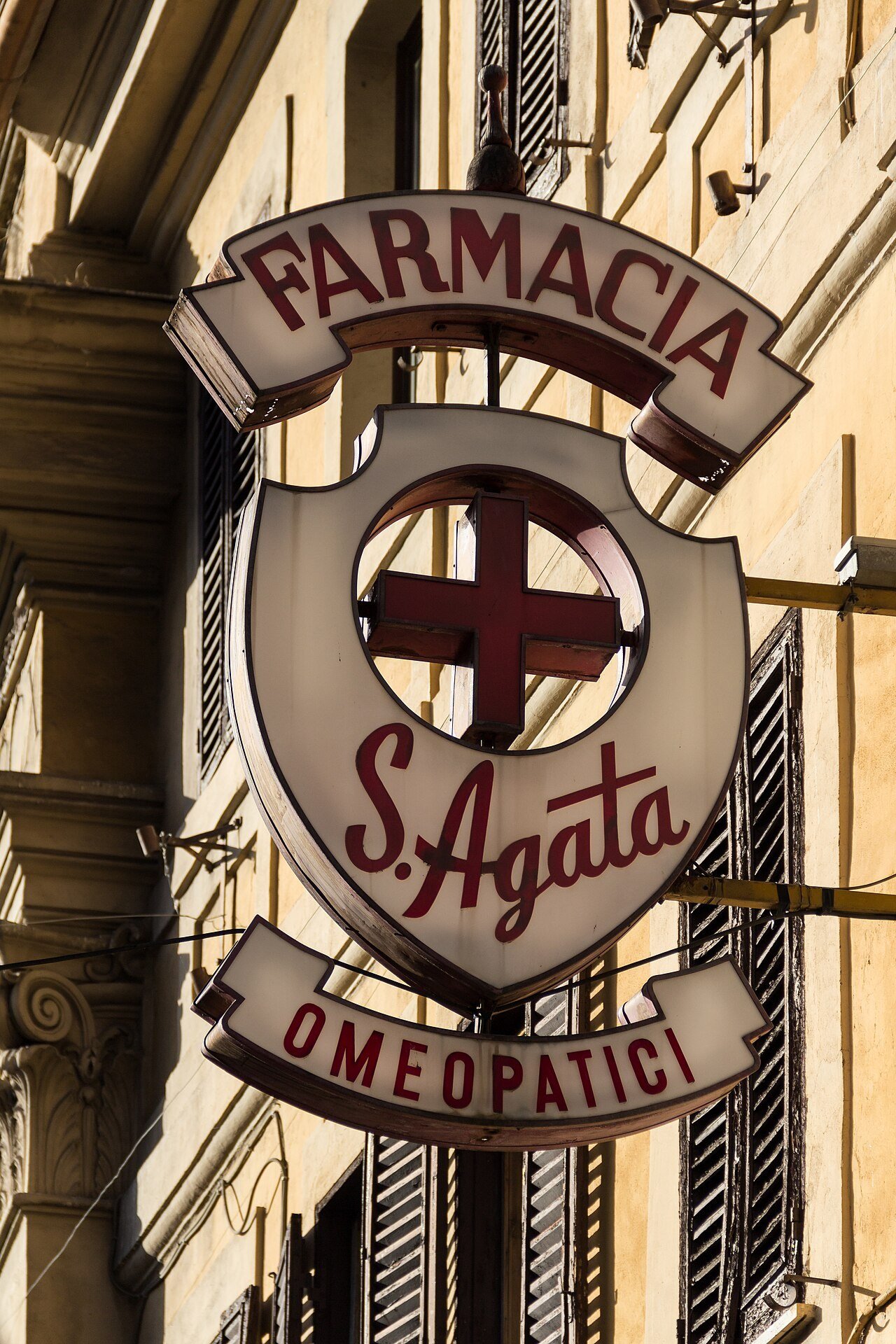
Italian is everywhere a traveller looks in Italy: the menu on the wall of a trattoria, the sign above a pharmacy, the label on a bottle of olive oil, the notice on a museum door. If you do not read Italian, a photo is often faster than a dictionary — take a picture, translate the text in the image to English, and you have your answer in seconds.
This guide shows you how to translate Italian text in images to English, step by step, and how to get accurate results from the kinds of Italian text you actually meet: restaurant menus, street signs, product labels, handwritten notes and printed documents. You do not need to install anything or know a word of Italian to follow it.
How to Translate Italian Text in Images to English
The fastest way is an AI image translator. It reads the Italian words in your photo, works out what they mean in context, and writes the translation back over the image, keeping the layout so you can still see where each line belongs.
- Take a clear photo. Hold your phone steady, fill the frame with the text, and avoid glare and shadows. Italian signs are often painted on walls or printed on glossy paper, so step back a little if the light is reflecting.
- Upload the image. Open ImageTranslator, upload the photo, and choose Italian as the source language and English as the target language.
- Check the result. Read the English translation, and tap any line that looks wrong to see the original Italian words. Short phrases are the easiest to get right; long paragraphs need a second look.
- Save or share it. Download the translated image or copy the text — handy for a menu you want to order from, or directions you want to follow later.
The whole process takes under a minute, and it works on photos you took weeks ago just as well as on live camera shots.
Translating Italian Menus
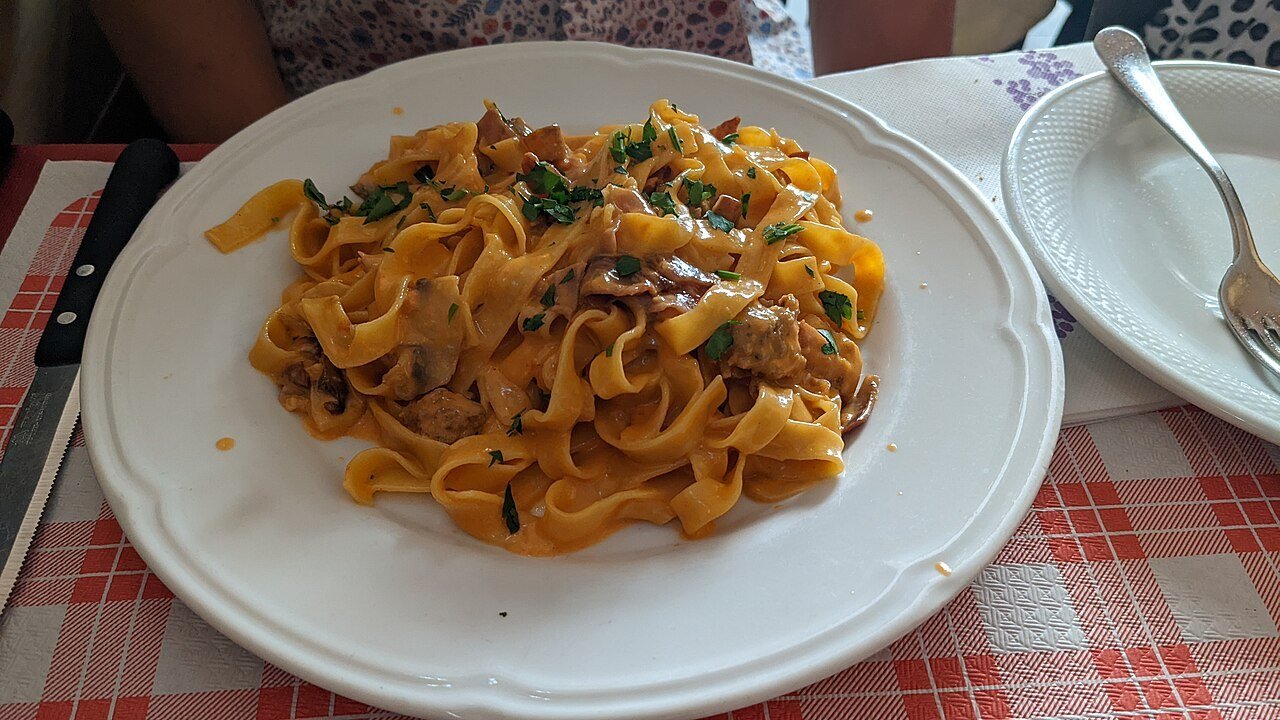
Italian menus are the most common reason people reach for an image translator, and they are also the trickiest. A menu is full of short phrases, dialect words and cooking terms that a word-for-word dictionary gets wrong.
Some examples you will see often:
| Italian on the menu | What it means in English |
|---|---|
| Antipasti | Starters |
| Primi piatti | First courses (usually pasta or risotto) |
| Secondi piatti | Main courses (meat or fish) |
| Contorni | Side dishes |
| Dolci | Desserts |
| Coperto | Cover charge (per person) |
| Servizio incluso | Service charge included |
| Acqua naturale / frizzante | Still / sparkling water |
Watch out for dishes named after places or people — spaghetti alla carbonara, pizza margherita, risotto alla milanese — where the name is not meant to be translated word for word. An AI translator that reads the whole line in context handles these far better than translating one word at a time.
Tip: photograph the whole menu page in one shot rather than line by line. The translator can then use the section headings (antipasti, primi, secondi) to make sense of each dish.
Translating Italian Street Signs and Notices
Street signs in Italy are short, formal and full of abbreviations, which makes them easy to misread. These are the ones travellers meet most:
- Senso unico — One way
- Divieto di sosta — No parking
- Uscita — Exit
- Ingresso — Entrance
- Farmacia — Pharmacy
- Stazione — Station
- Chiuso / Aperto — Closed / Open
- Vietato fumare — No smoking
- Attenzione — Attention / Caution
Two things catch people out. First, Italian signs love the word divieto (prohibition) — divieto di accesso means no entry, not “access”. Second, opening hours are often written as orario continuato (open all day, no lunch break) or chiuso per ferie (closed for holidays), which a photo translator will spell out for you.
If a sign is high up or far away, zoom in with your camera before taking the photo. A blurry divieto di sosta is useless; a sharp close-up translates cleanly.
Italian False Friends to Watch For
Italian and English share many Latin roots, which is helpful — until it is not. These false friends look familiar but mean something different, and they are exactly where a context-aware translator earns its keep:
| Italian word | It looks like | It actually means |
|---|---|---|
| Camera | Camera | Room |
| Libreria | Library | Bookshop |
| Attualmente | Actually | Currently |
| Fabbrica | Fabric | Factory |
| Parenti | Parents | Relatives |
| Bravo | Brave | Good / well done |
| Anno | — | Year |
| Pepperoni | Pepperoni | Peppers (peperoni); the sausage is salame piccante |
The classic trap is ordering pepperoni pizza in Italy and getting a pizza topped with peppers. When a translation looks odd, check the Italian original — the image translator shows it next to the English, so you can spot a false friend before it costs you lunch.
Accents, Double Consonants and Handwriting
Italian spelling is mostly regular, which helps image translators a lot, but three features still cause mistakes.
Accents. Italian uses the grave accent on final vowels — città (city), perché (why/because), caffè (coffee). If the accent is cut off in your photo, citta could be misread, so frame the whole word.
Double consonants. Italian doubles consonants often — pizza, cappuccino, passaporto (passport), biglietto (ticket). A single missing letter changes the meaning: pala is a shovel, palla is a ball. Sharp, well-lit photos keep the doubles intact.
Handwriting. Handwritten Italian, especially older cursive, is harder for any translator. Photograph handwritten notes in bright, even light, keep the page flat, and crop tightly to the text. If the handwriting is very loose, translate one paragraph at a time rather than a whole page — accuracy goes up noticeably.
Tips for the Most Accurate Translation
- Light matters more than anything. Daylight or a bright room beats a flash, which washes out printed text.
- Keep the text straight. A photo taken at a steep angle distorts letters; square up to the sign or page.
- Translate short chunks. Menus, signs and labels translate best. A full page of small print is fine, but check the result line by line.
- Mind the dialect. Menus in Naples or Sicily may use local words (friarielli, arancini) that standard Italian dictionaries miss. A translator that reads the whole dish name will usually still get the gist.
- Keep the original. Always keep the Italian photo alongside the translation — useful if you need to show a waiter or a pharmacist exactly what you mean.
Frequently Asked Questions
Can I translate Italian text in a photo to English for free?
Yes. Upload the photo to a free AI image translator, choose Italian to English, and you get the translated image in seconds — no app install and no account needed.
Does it work on handwritten Italian?
It works best on printed text, but clear handwriting translates well too. Bright light, a flat page and a close crop make the biggest difference. Very old or very loose cursive may need a second attempt, one paragraph at a time.
Can it translate an Italian menu from a photo?
Yes — menus are one of the best use cases. Photograph the whole page so the translator can use the section headings for context, and check dish names against the Italian original, since some are proper names that should not be translated literally.
What about Italian product labels and ingredient lists?
They translate well, including allergen warnings and expiry dates. Photograph the label straight on, in good light, and check numbers and dates carefully — a da consumarsi entro date is the use-by date, and it matters.
Is Italian hard for image translators?
No — Italian is one of the easier languages. Spelling is regular, the alphabet is the same as English, and most text is printed clearly. The main traps are false friends and dialect food words, both of which a context-aware translator handles well.
Final Thoughts
Italian text in images is one of the easiest translation jobs there is — the same alphabet, regular spelling, and short, practical phrases. The difference between a good result and a confusing one is almost always the photo: good light, a straight angle, and the whole word in frame.
Next time you are staring at a menu in Rome, a sign in Florence or a label in a Milan supermarket, take the photo first and translate second. You will order with confidence, find the right platform, and never again pay for a pizza topped with peppers when you wanted salami.
Read next
- How to Translate French Text in Images to English
- How to Translate German Text in Images to English
- How to Translate Spanish Text in Images to English
- How to Translate Korean Text in Images to English
- How to Translate a Foreign Restaurant Menu With Your Phone Camera
- How to Translate Street Signs and Airport Boards While Traveling
- How to Translate Text in a Screenshot to English
- How to Translate a Scanned Document to English
- How to Translate a Photo From Any Language to English in Seconds
